
If your cannabis plants keep showing Cal-Mag issues no matter how much you feed, the problem isn’t your nutrients. It’s your coco.
- Why coco’s chemistry creates nutrient battles most growers never see
- How sodium and potassium quietly block your calcium and magnesium
- The simple way to stop Cal-Mag lockout before it starts
Coco Coir’s Hidden Strength
Coco coir isn’t soil. It’s a high-performance medium made from coconut husks that changed the way growers think about grow media.
Its texture is light and airy, creating the perfect air-to-water ratio for fast root expansion.
Roots stay oxygenated. Growth stays explosive.
But coco’s ability to hold nutrients is a double-edged sword.
Those same micro-sponges that keep water near the root zone can also trap the very nutrients your plants need most.
Inside every grain of coco, millions of charged sites attract minerals like magnets. That’s part of why coco works so well… and why Cal-Mag issues appear even when you feed correctly.
What is Cal-Mag used for in cannabis plants?
Cal-Mag supports strong cell structure, nutrient transport, and flowering development. It’s one of the key drivers behind healthy new growth.
Most growers don’t realize it’s not just a “supplement”… it’s a structural necessity.
Main takeaway: Coco’s power to store nutrients is also what can block calcium and magnesium if the medium isn’t prepared right.
Why Cal-Mag Problems Keep Coming Back
Most growers blame their bottles first. They add extra Cal-Mag, tweak ratios, or chase symptoms that never stay fixed.
What causes Cal-Mag lockout in coco coir?
It happens when unbuffered coco releases sodium and potassium into your feed, forcing calcium and magnesium to bind to the medium instead of reaching the roots.
The truth is simpler. The deficiency starts long before feeding begins.
Coco is naturally loaded with sodium and potassium because coconuts grow in salty coastal environments.
When coco is not properly washed and buffered, those ions occupy the nutrient exchange sites your calcium and magnesium need.
Here’s what actually happens:
Unbuffered coco holds sodium (Na+) and potassium (K+).
When you water with a nutrient mix, those lighter ions release into solution.
At the same time, calcium (Ca2+) and magnesium (Mg2+) — both heavier, divalent ions — bind to the coco’s surface instead of reaching your plants.
It’s a silent chemical swap that repeats every time you feed.
Your solution looks balanced on paper, but your plants are starving for what the coco just stole.
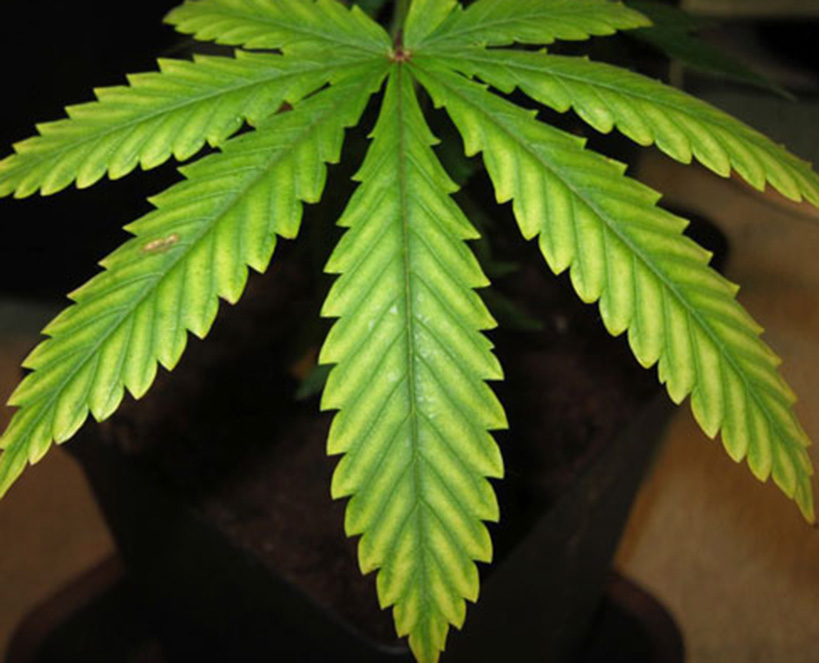
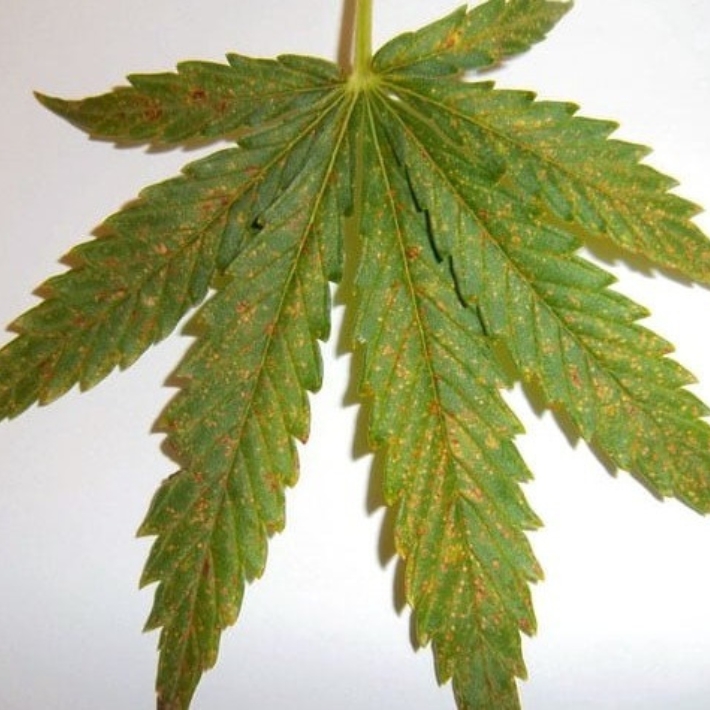
You’ll see twisted new growth, rusty spots, and crispy leaf edges — the classic signs of Cal-Mag lockout.
And no matter how much you add, the problem stays because the medium itself is out of balance.
Main takeaway: Cal-Mag problems in coco aren’t feeding errors. They’re the result of coco chemistry that hasn’t been properly conditioned.
The Right Way to Stop Cal-Mag Deficiency in Coco
Fixing Cal-Mag in coco isn’t about adding more — it’s about balance before the first drop of feed.
That’s where washing and buffering come in.
Washing removes the excess sodium and chloride that hijack nutrient uptake. Buffering replaces them with calcium and magnesium so the coco’s exchange sites are already filled with what your plants need.
Once buffered, coco stops stealing from your feed.
The chemistry stabilizes. Nutrients flow predictably.
Your EC readings stop spiking, and deficiencies disappear.
Growers who start with pre-buffered coco see cleaner roots, steadier growth, and stronger blooms.
The medium feels effortless — no surprises, no chasing ratios, no lockouts halfway through flower.
That’s why I always grow my cannabis in Canna Coco.
It’s washed, buffered, and balanced before it ever hits the bag.
And their Canna Coco A & B Nutrients are engineered specifically for coco’s cation exchange behavior, so calcium and magnesium stay available instead of trapped.
Main takeaway: The smartest fix isn’t more Cal-Mag. It’s starting with coco that’s already conditioned to deliver it.
Closing
Every Cal-Mag issue tells the same story — a grower doing everything right in a medium that wasn’t ready.
Once you understand that, you stop reacting and start controlling.
That’s the real edge.
Coco becomes the most powerful, forgiving medium you’ll ever use… once you respect the chemistry behind it.
Frequently Asked Cal-Mag and Coco Questions
Do cannabis plants still need Cal-Mag during flowering?
Yes. Stretch and bud formation drastically increase calcium and magnesium demand. Most deficiencies show up during flower, not before.
What’s the best Cal-Mag for cannabis plants?
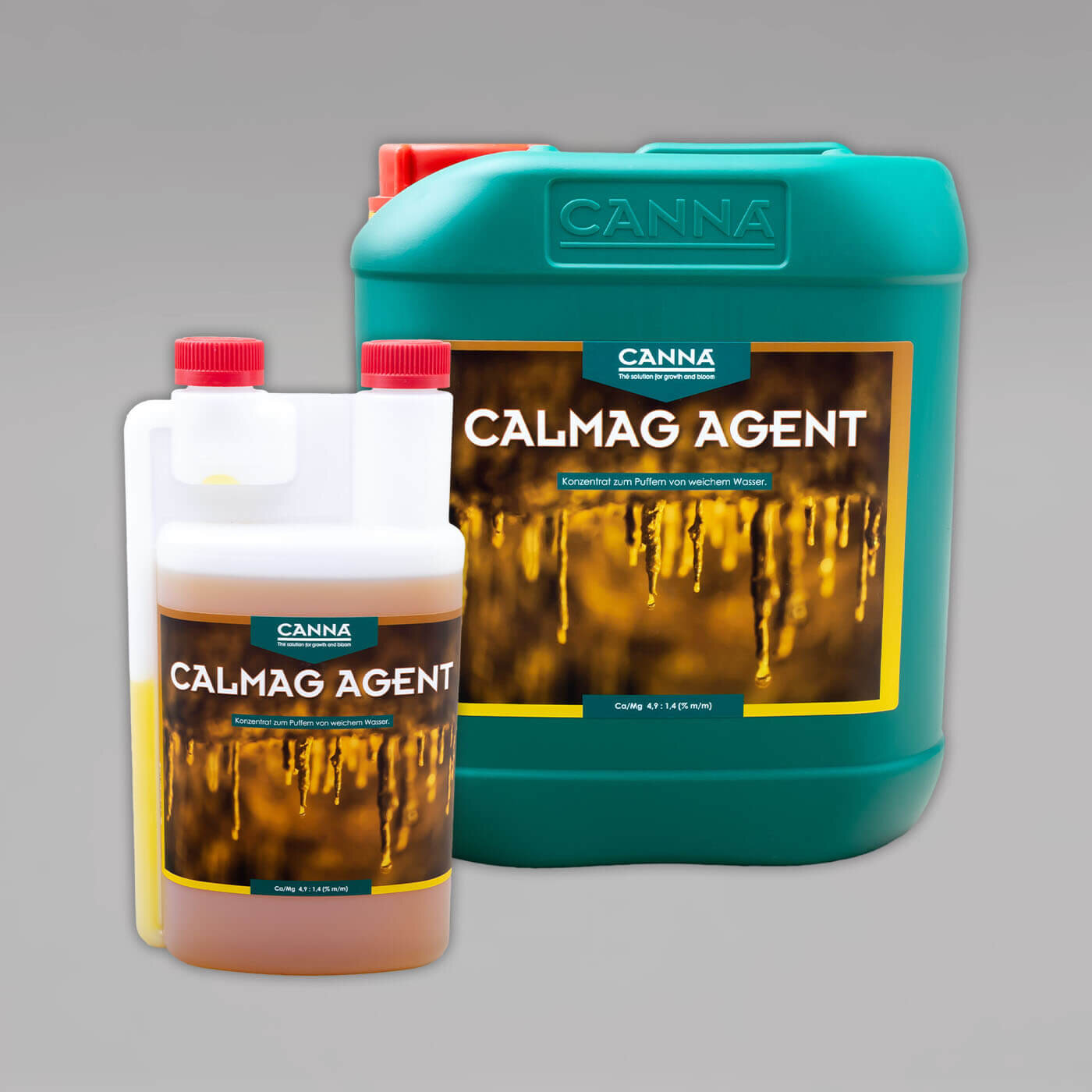
Start with a base nutrient that is specifically for coco, like Canna Coco A & B, which accounts for cation exchange so Ca and Mg remain plant-available.
Can you get Cal-Mag toxicity in weed plants?
It’s possible, but rare. Lockout symptoms mimic toxicity, so most growers think they’re overfeeding when the real issue is imbalance, not excess.



Leave a Reply
You must be logged in to post a comment.